
The Big Five of Africa are among the most iconic wildlife species on the continent and remain one of the main reasons travelers choose to experience an African safari. Originally, the term “Big Five” was used by early hunters to describe the five most dangerous animals to hunt on foot. Today, however, the Big Five symbolize conservation success, wilderness protection, and unforgettable safari experiences.
At Matala Safaris Africa, encountering the Big Five is not about ticking animals off a list, it is about experiencing Africa’s wildlife responsibly, ethically, and in its natural environment.
What Are the Big Five?
The Big Five consist of the lion, leopard, African elephant, rhinoceros, and African buffalo. Each of these animals plays a vital role in Africa’s ecosystems, and seeing them in the wild is often the highlight of a Big Five safari in East Africa.
The African Lion – King of the Savanna
The lion is the most recognizable of the Big Five and a powerful symbol of Africa’s wilderness. Lions are social animals, living in prides that are often seen resting during the day and becoming more active in the early mornings and late afternoons. On safari, lions are commonly spotted in open savanna landscapes where prey is abundant.
In destinations such as Murchison Falls National Park, Kidepo Valley National Park, and the Masai Mara, lions are frequently encountered during guided game drives led by experienced local guides who understand their behavior and movement patterns.
The Leopard – Master of Stealth
The leopard is the most elusive member of the Big Five, making any sighting especially rewarding. Known for its incredible camouflage and ability to climb trees, the leopard prefers wooded areas, riverine forests, and rocky terrain. Spotting a leopard often requires patience, sharp observation skills, and experienced guiding.
On a Big Five safari in East Africa, leopards are commonly found resting in trees or moving silently through dense vegetation, particularly during early morning and evening game drives.
The African Elephant – The Gentle Giant
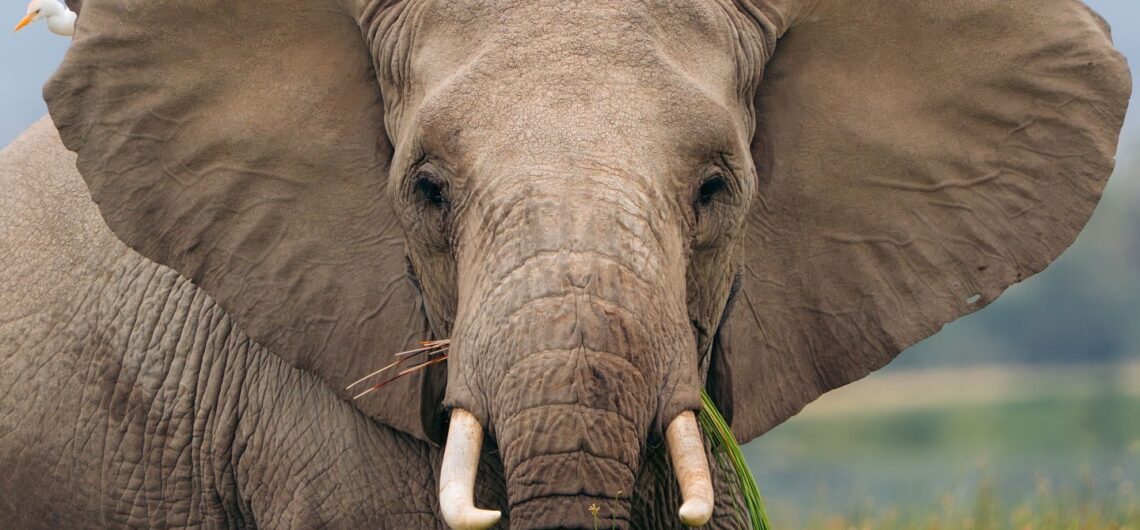
African elephants are the largest land mammals on Earth and are admired for their intelligence, strong family bonds, and complex social structures. Watching elephant herds move gracefully across open plains or gather around water sources is one of the most emotional moments on safari.
In Uganda and Kenya, elephants are often seen in national parks such as Murchison Falls National Park, Queen Elizabeth National Park, and Amboseli National Park, especially during the dry season when wildlife concentrates near water.
The Rhinoceros – A Conservation Success Story
Rhinoceroses are among the most endangered animals in Africa, and seeing one in the wild is both rare and meaningful. The two species commonly encountered on safari are the white rhino and the black rhino, both of which are protected through strict conservation efforts.
In East Africa, rhino tracking experiences in protected sanctuaries play a crucial role in conservation while offering visitors an opportunity to learn about the challenges facing wildlife protection today.
The African Buffalo – Africa’s Most Unpredictable Giant
Often underestimated, the African buffalo is considered one of the most dangerous animals in Africa due to its unpredictable behavior. Buffalo are typically seen in large herds grazing across open plains or near water sources. Their strength and resilience make them an essential part of Africa’s wildlife heritage.
Buffalo sightings are common on Big Five safaris in Uganda, Kenya, and Tanzania, particularly in savanna and wetland ecosystems.
Where Can You See the Big Five in East Africa?
East Africa offers some of the best opportunities to experience a Big Five safari. In Uganda, travelers can encounter the Big Five in parks such as Murchison Falls National Park, Queen Elizabeth National Park, and Kidepo Valley National Park. Kenya provides classic Big Five experiences in the Masai Mara, Amboseli, and Lake Nakuru National Park, while Rwanda and Tanzania also offer rewarding wildlife encounters supported by strong conservation programs.
At Matala Safaris Africa, we carefully design itineraries that maximize wildlife viewing while respecting park regulations and conservation guidelines.
Best Time to See the Big Five
The best time to enjoy a Big Five safari in East Africa is generally during the dry seasons, when animals gather around water sources and vegetation is less dense, making wildlife easier to spot. However, Big Five sightings are possible throughout the year depending on the destination and travel style.
Our local expertise allows us to advise travelers on the most suitable time and location based on their interests and travel plans.
Responsible Tourism and the Big Five
Responsible tourism is essential to the long-term survival of the Big Five. Ethical safari practices help protect wildlife, preserve habitats, and support local communities. At Matala Safaris Africa, we promote responsible travel by working with trusted partners, following park regulations, and supporting conservation-focused initiatives.
Choosing a responsible safari operator ensures that your Big Five safari contributes positively to wildlife conservation and sustainable tourism in Africa.
Uganda safari- Queen Elizabeth National Park
Plan Your Big Five Safari with Matala Safaris Africa
At Matala Safaris Africa, we specialize in custom-designed Big Five safaris in Uganda, Kenya, Tanzania and Rwanda, guided by experienced local professionals who are passionate about wildlife and responsible tourism. Whether you are planning your first African safari or returning for a deeper experience, we are here to create a journey that matches your interests, schedule, and budget.
Contact Matala Safaris Africa today to start planning your unforgettable Big Five safari in East Africa.

Comments