
What Is the Gorilla Habituation Experience in Uganda?
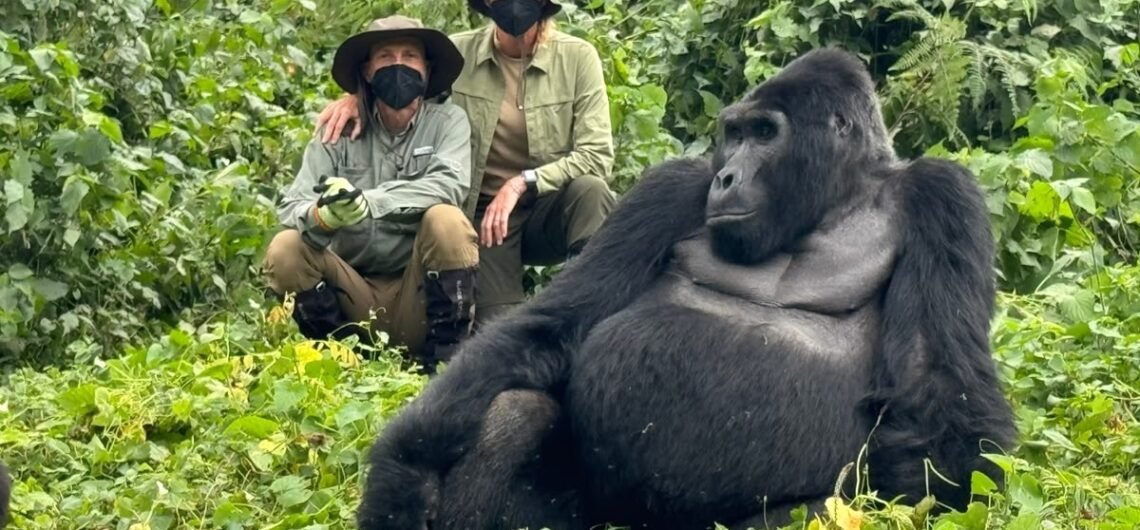
The Gorilla Habituation Experience in Uganda offers a rare opportunity to spend extended time observing wild mountain gorillas as they gradually become accustomed to limited human presence.
Unlike standard gorilla trekking, which involves visiting a fully habituated gorilla family for a limited viewing period, habituation allows visitors to spend up to four hours with a gorilla family, accompanied by experienced trackers, rangers and researchers.
The experience provides a deeper look into gorilla behaviour, social interactions and the conservation work involved in preparing a gorilla family for carefully managed tourism.
It is not simply about getting closer to gorillas. It is about understanding the gradual process through which wild gorillas learn to tolerate human presence while remaining wild.
UWA guidelines confirm that the maximum viewing time for Gorilla Habituation Experience is four hours, compared with one hour for normal gorilla tracking.
Where Can You Experience Gorilla Habituation in Uganda?
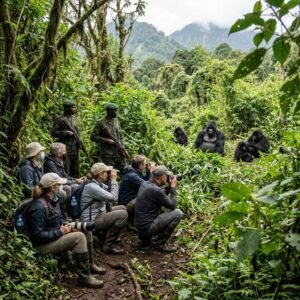
The Gorilla Habituation Experience takes place in Bwindi Impenetrable National Park, particularly in the southern part of the forest around the Rushaga sector.
Bwindi is one of Uganda’s most important mountain gorilla habitats and is divided into four major trekking sectors: Buhoma, Ruhija, Rushaga and Nkuringo.
Rushaga is particularly associated with gorilla habituation and offers travelers the opportunity to experience Uganda’s mountain gorillas in a more immersive and research-oriented setting.
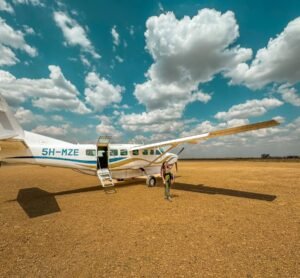
The journey to Bwindi is part of the adventure. Travelers can reach the region by road from Kampala or Entebbe, or arrange a domestic flight to the southwestern part of Uganda followed by a transfer to their lodge.
Gorilla Habituation vs Gorilla Trekking: What Is the Difference?
Although both experiences take place in the natural habitat of mountain gorillas, they offer different experiences.
| Feature | Gorilla Trekking | Gorilla Habituation Experience |
|---|---|---|
| Time observing gorillas | Up to 1 hour | Up to 4 hours |
| Gorilla group | Habituated | Under habituation |
| Experience | Wildlife encounter | Extended wildlife and conservation experience |
| Group size | Larger permitted groups | More limited participation |
| Main focus | Encountering gorillas | Observation, research and habituation |
| Best for | First-time gorilla trekkers | Travelers seeking deeper immersion |
The most important difference is the amount of time spent with the gorillas. UWA guidelines provide for a maximum of one hour for normal gorilla tracking and up to four hours for the habituation experience.
If you have always wanted more time to observe gorilla behaviour, the habituation experience can offer a much deeper perspective.
What Happens During Gorilla Habituation?
Your day begins early with a briefing from the ranger and tracking team. The team explains the rules, safety measures and responsible behaviour expected in the forest.
You then begin the trek through the dense Bwindi rainforest.
The amount of time spent hiking before finding the gorilla group varies because gorillas move through the forest in search of food and shelter. The terrain can be steep, muddy and uneven, making reasonable physical preparation important.
Once the gorilla family is located, the four-hour observation period begins.
Depending on the day, you may witness:
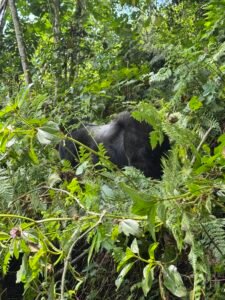
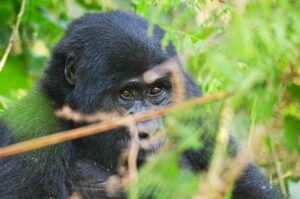
- Young gorillas playing and exploring
- Mothers caring for their infants
- Gorillas feeding
- Grooming and social interaction
- Communication between members of the group
- A dominant silverback maintaining order
- Natural movements through the forest
Because the gorillas are still undergoing habituation, their behaviour can feel particularly natural and unpredictable.
Your trackers and researchers help you understand what you are seeing while ensuring that the encounter remains respectful and controlled.
How Does Gorilla Habituation Work?
Gorilla habituation is a gradual process.
Wild mountain gorillas are naturally cautious around unfamiliar humans. Researchers and trackers therefore work carefully with selected gorilla groups, gradually increasing their tolerance of human presence.
The supplied research material describes the process as involving:
- Initial observation – researchers observe the gorillas from a safe distance.
- Gradual approach – the tracking team slowly reduces the distance over time.
- Trust building – experienced trackers use appropriate behaviour and communication techniques to help the gorillas become accustomed to human presence.
The process can take years and requires patience, consistency and specialist knowledge.
Importantly, habituation does not mean domestication. The gorillas remain wild animals in their natural environment.
How Much Does Gorilla Habituation Cost in Uganda?
The Gorilla Habituation Experience permit fee is set by the Uganda Wildlife Authority (UWA) and varies according to visitor category and the applicable tariff.
The source material used for this article lists US$1,500 per person for foreign non-residents as of July 2025. UWA’s published July 2024–June 2026 tariff also lists Gorilla Habituation at US$1,500 for foreign non-residents.
Because UWA tariffs can be revised, travelers should confirm the current permit fee for their travel dates before booking.
The cost is higher than standard gorilla trekking because the habituation experience provides a longer viewing period and a more limited, specialized experience.
What Does the Permit Support?
Gorilla tourism contributes to Uganda’s wider conservation system. Permit revenue supports conservation activities, while tourism also creates economic opportunities for people living around protected areas.
For travelers who value responsible and conservation-focused tourism, the experience offers an opportunity to contribute to the continued protection of mountain gorillas and their habitat.
How Long Does the Gorilla Habituation Experience Take?
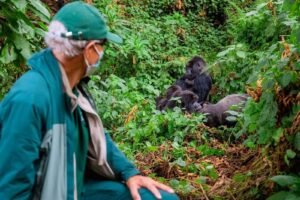
The gorilla habituation viewing experience lasts up to four hours.
However, the experience should not be confused with a four-hour trek.
Your total day may include:
- Morning briefing
- Hiking through Bwindi
- Locating the gorilla family
- Up to four hours observing the gorillas
- Returning through the forest
- Debriefing
UWA’s guidelines state that Gorilla Habituation Experience begins from the morning briefing and continues until visitors return for debriefing, with a maximum four-hour gorilla viewing period.
For this reason, travelers should plan for a full and physically demanding day in the forest.
How Close Can You Get to the Gorillas?
Gorilla encounters are carefully managed to protect both visitors and the animals.
Visitors should maintain the required distance from the gorillas, avoid touching them, remain calm and follow the instructions of the ranger and tracking team.
If a gorilla approaches you, do not attempt to touch or follow it. Instead, remain calm and follow the instructions of your guide.
The distance is important not only for human safety but also because mountain gorillas can be vulnerable to human-borne diseases.
You are a guest in their habitat.
The goal is not to control the gorillas’ behaviour but to observe them respectfully while minimizing disturbance.
What Should You Wear for Gorilla Habituation?
Bwindi is a tropical rainforest, and conditions can change quickly.
We recommend packing:
Clothing
- Long-sleeved shirt
- Long trousers
- Sturdy waterproof hiking boots
- Rain jacket or poncho
- Gaiters
- Lightweight gloves
- Comfortable, breathable clothing
- Neutral or muted colours
Essentials
- Small daypack
- At least enough drinking water for the trek
- Energy snacks
- Insect repellent
- Camera without flash
- Extra batteries or power bank
- Walking stick where needed
- Binoculars for bird and wildlife viewing
A porter can also be extremely helpful, particularly on steep or muddy trails. Hiring a local porter provides practical assistance while creating a direct economic benefit for someone from the surrounding community.
Is Gorilla Habituation Physically Difficult?
Yes. Gorilla habituation requires a reasonable level of fitness.
Bwindi’s terrain can include steep slopes, dense vegetation, muddy trails and uneven ground. The distance and duration of the trek can vary depending on where the gorilla family is located that day.
UWA notes that gorilla trekking in Uganda can last approximately 2–7 hours, depending on the circumstances of the trek.
The habituation experience requires additional patience because you are spending an extended period observing the gorillas once they are located.
If you have concerns about your fitness or mobility, discuss them with your safari planner before travelling so that the itinerary and support arrangements can be planned appropriately.
What Is the Best Time for Gorilla Habituation in Uganda?
The Gorilla Habituation Experience is available year-round, but travel conditions can vary by season.
Dry Seasons: December–February and June–September
These months are generally popular because:
- Trails may be easier to navigate
- Trekking conditions can be more comfortable
- Demand can be higher
Wetter Periods: March–May and October–November
These months can bring:
- Wetter and muddier trails
- Lush rainforest vegetation
- Fewer visitors in some periods
Bwindi is a rainforest, so rain is possible even during traditionally drier months. Good waterproof clothing and footwear are therefore important regardless of when you travel.
Rather than choosing a date based only on weather, your safari planner can help you consider permit availability, accommodation, overall itinerary and your preferred travel experience.
Gorilla Habituation and Conservation
The Gorilla Habituation Experience is closely connected to conservation.
Mountain gorillas have faced significant historical pressures, including habitat loss, disease and other human-related threats. Uganda’s conservation story demonstrates the importance of long-term protection, research, tourism and community involvement.
UWA’s recent conservation reporting continues to highlight the importance of mountain gorilla protection, scientific research, tourism and community participation in Uganda’s conservation efforts.
The habituation process also gives researchers an opportunity to study gorilla behaviour, social structures and health more closely.
For travelers, this means the experience goes beyond wildlife viewing. It offers an opportunity to understand the work required to protect one of the world’s most remarkable great apes.
Why Choose Gorilla Habituation Instead of Standard Gorilla Trekking?
Choose standard gorilla trekking if you want a shorter introduction to Uganda’s mountain gorillas.
Choose the Gorilla Habituation Experience if you:
- Want more time with the gorillas
- Are passionate about wildlife
- Have a strong interest in conservation
- Enjoy photography and observation
- Want to learn more about gorilla behaviour
- Prefer a smaller, more specialized experience
- Are looking for a deeper Uganda safari experience
Four hours can completely change how you experience the forest.
Instead of rushing to capture a few photographs, you have more time to sit quietly, observe social interactions and appreciate the small details of gorilla life.
Sample 4-Day Gorilla Habituation Safari in Uganda
A four-day itinerary can be designed around your flight schedule and travel preferences.
Day 1: Arrival in Uganda
Arrive at Entebbe International Airport and transfer to your hotel in Kampala or Entebbe.
Depending on your arrival time, you can relax or explore some of Kampala’s cultural attractions.
Day 2: Kampala to Bwindi
Travel towards southwestern Uganda and Bwindi Impenetrable National Park.
The journey can include scenic stopovers and opportunities to experience Uganda beyond the forest.
Overnight near the selected Bwindi sector.
Day 3: Gorilla Habituation Experience
After an early breakfast, head to the briefing point and begin your Gorilla Habituation Experience.
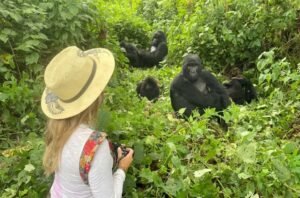
Spend up to four hours observing the gorilla family alongside the tracking and research team.
Return to your lodge after the experience to relax and enjoy the surrounding environment.
Day 4: Return Journey
Travel back towards Kampala or Entebbe for your onward flight, or continue to another destination as part of a longer Uganda safari.
For travelers with more time, the gorilla habituation experience can be combined with destinations such as Queen Elizabeth National Park, Kibale Forest, Lake Bunyonyi or other parts of Uganda.
Plan Your Gorilla Habituation Experience with Matala Safaris Africa
A Gorilla Habituation Experience in Uganda deserves more than simply securing a permit.
At Matala Safaris Africa, we can help you plan the wider journey around your experience — including gorilla permit arrangements, accommodation, transportation, safari itinerary planning and other activities across Uganda.
Whether you are planning a dedicated gorilla safari or combining Bwindi with Uganda’s wildlife, lakes, forests and cultural experiences, we can create a journey around your interests, travel style and preferred level of comfort.
From the first enquiry to the final transfer, our goal is to make your journey seamless, comfortable and meaningful.
Ready to experience Uganda’s gorillas differently?
Talk to Matala Safaris Africa about planning your Gorilla Habituation Experience in Uganda.
Travel with purpose. Leave with a story.
Frequently Asked Questions About Gorilla Habituation in Uganda
Is gorilla habituation different from gorilla trekking?
Yes. Standard gorilla trekking provides up to one hour of gorilla viewing, while the Gorilla Habituation Experience provides up to four hours of viewing with a gorilla group undergoing habituation.
Where is gorilla habituation done in Uganda?
The experience takes place in Bwindi Impenetrable National Park, particularly around the southern Rushaga sector.
How much is a gorilla habituation permit in Uganda?
The permit fee depends on the applicable UWA tariff and visitor category. The UWA tariff covering July 2024–June 2026 lists US$1,500 for foreign non-residents. Always confirm the current tariff for your travel date before booking.
How long do you spend with the gorillas?
You can spend up to four hours observing the gorillas during the habituation experience.
Is gorilla habituation physically demanding?
Yes. The trek takes place in Bwindi’s rugged rainforest terrain and can involve steep, muddy and uneven trails.
Can I combine gorilla habituation with a Uganda safari?
Absolutely. Gorilla habituation can be combined with wildlife, chimpanzee trekking, cultural and scenic experiences in Uganda to create a longer tailor-made safari.
Is gorilla habituation available throughout the year?
The experience can be planned year-round, although weather and trail conditions vary by season. Permit availability should also be considered when selecting travel dates.
Experience More Than a Gorilla Trek
The Gorilla Habituation Experience in Uganda is an opportunity to slow down and experience mountain gorillas from a different perspective.
You are not simply entering the forest to see gorillas.
You are entering their world to observe, learn and better understand the delicate relationship between wildlife, research, tourism and conservation.
Your journey begins in Uganda’s forest. The story continues long after you leave.
Matala Safaris Africa — Light in the Jungle.

Comments