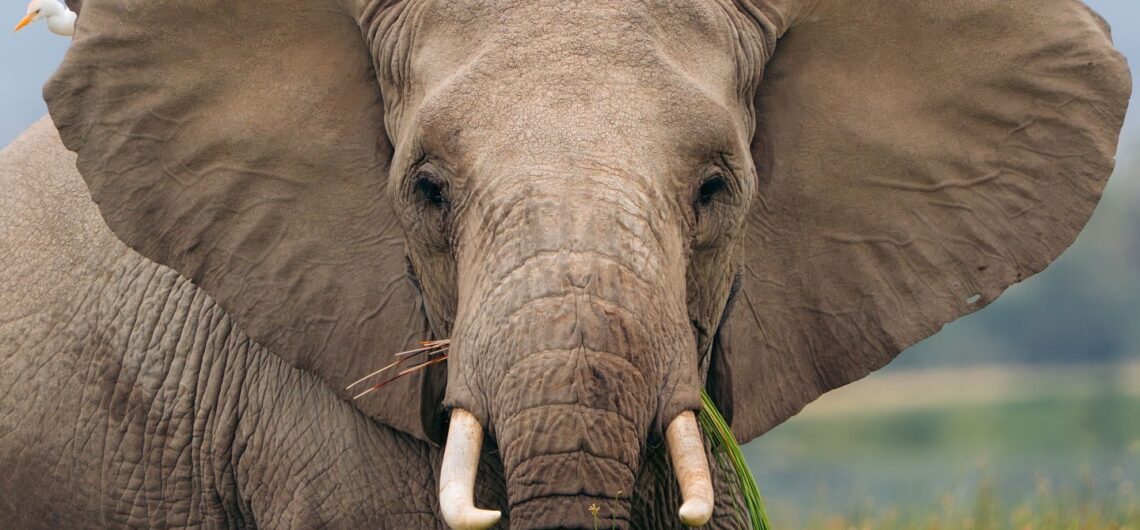
The Big Five of Africa are among the most iconic wildlife species on the continent and remain one of the main reasons travelers choose to experience an African safari. Originally, the term “Big Five” was used by early hunters to describe the five most dangerous animals to hunt on foot. Today, however, the Big Five symbolize conservation success, wilderness protection, and unforgettable safari experiences. At Matala Safaris Africa, encountering the Big Five is not about ticking animals off a list, it is about experiencing Africa’s wildlife responsibly, ethically, and in its natural environment. What Are the Big Five? The Big Five consist of the lion, leopard, African elephant, rhinoceros, and African buffalo. Each of these animals plays a vital role in Africa’s ecosystems, and seeing them in the wild is often the highlight of a Big Five safari in East Africa. The African Lion – King of the Savanna The lion is the most recognizable of the Big Five and a powerful symbol of Africa’s wilderness. Lions are social animals, living in prides that are often seen resting during the day and becoming more active in the early mornings and late afternoons. On safari, lions are commonly spotted in open savanna landscapes where prey is abundant. In destinations such as Murchison Falls National Park, Kidepo Valley National Park, and the Masai Mara, lions are frequently encountered during guided game drives led by experienced local guides who understand their behavior and movement patterns. The Leopard – Master of Stealth The leopard is the most elusive member of the Big Five, making any sighting especially rewarding. Known for its incredible camouflage and ability to climb trees, the leopard prefers wooded areas, riverine forests, and rocky terrain. Spotting a leopard often requires patience, sharp observation skills, and experienced guiding. On a Big Five
The Big Five of Africa are among the most iconic wildlife species on the continent and remain one of the main reasons travelers choose to experience an African safari. Originally, the term “Big Five” was used by early hunters to